What we do

Filling the GAPs where aid is needed most

Our Priorities

  1. Respond to immediate, life-threatening issues like: 
    – Starvation
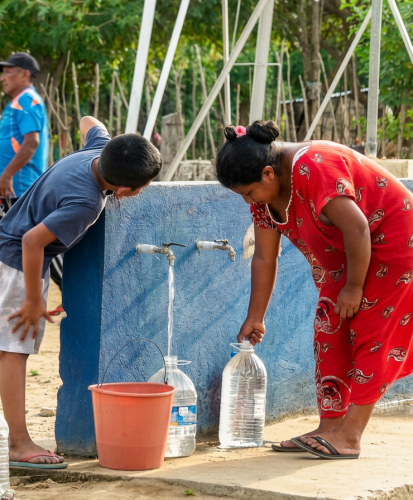
    – Lack of Clean Water
    – Poor Sanitation

  2. Build community independence through development projects like: 
    – Small Business Grants
    – Agricultural Resources
    – Internet Access and Cooperative Hubs
    – Infrastructure 

Our goal isn't to stay forever. Our goal is to make sure we're no longer needed.

Bryson Bachand

Founder of Global Aid Projects

3 Key Activities

fr 2

1) Partner Fundraising

We identify and partner with local nonprofits that are already doing impactful work on the ground but lack visibility or funding. We raise funds in the USA through:

  • Public awareness campaigns and storytelling
  • Fundraising events and social media outreach
  • Corporate social responsibility (CSR) partnerships
  • Grant applications and donor sponsorships

Our approach ensures transparency and direct impact: every partnership is built on trust, accountability, and measurable outcomes.

Current Status:
We are in the process of formalizing our first 5 partnerships in La Guajira, Colombia, with local nonprofits that urgently need resources to sustain their critical programs.

2) Project Development

We collaborate directly with communities to design our own GAPs projects that address unmet needs and can support community development long after we leave.

We approach development in two phases:

Phase ONE: We respond first to life-threatening and critical needs.

For example: food kitchens, clean water distribution, crisis shelter packs, toilets, etc.


Phase TWO: Once basic needs are being met, we shift toward long-term resilience. 


For example: internet acess, vocational training, agricultural resources, micro-loans, infrastructure, community markets, etc. 


Each project is designed with local input and aims to strengthen the community’s capacity to thrive independently. 


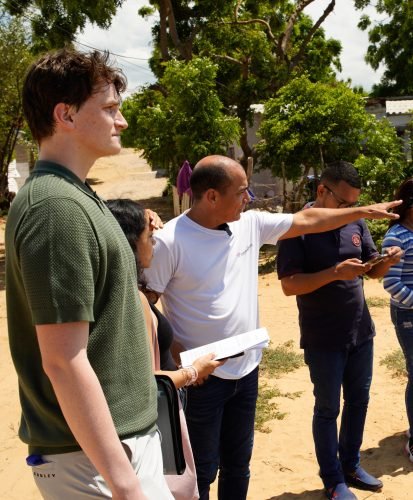
Current Status: Since we are new, we are still building our reputation and community knowledge in the places we are working. Once we have built a network of trusted partners and leaders, we can begin implementing our own projects. 

water station edited
c745cf5a ae5a 4136 8d02 16466428b083

3) Raising Awareness

Many humanitarian crises receive little to no international attention. We believe that visibility is the first step toward change, and is also essential to our fundraising.

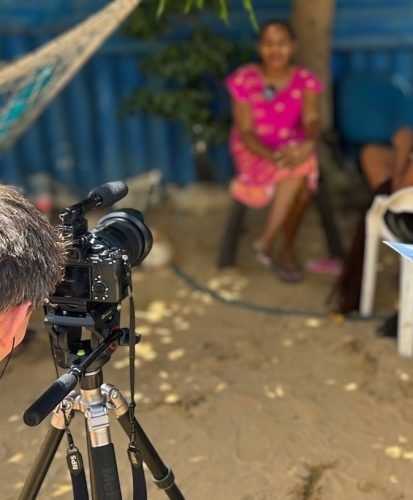
Our media team documents the realities faced by at-risk communities and the inspiring work of local leaders through:

  • Short documentaries and video campaigns
  • On-the-ground photography and interviews
  • Blog posts and digital publications

These stories connect donors and global audiences directly with the people and projects they’re helping to support, ensuring transparency and empathy-driven engagement.

Coming Soon: Follow our website and social channels as we document our first field missions in La Guajira, Colombia.

Our Current Focus

Crisis in Colombia

Colombia is facing one of the world’s largest displacement crises. More than 7 million Colombians have been forced from their homes by conflict, while the country also hosts nearly 2.8 million Venezuelan refugees and migrants.

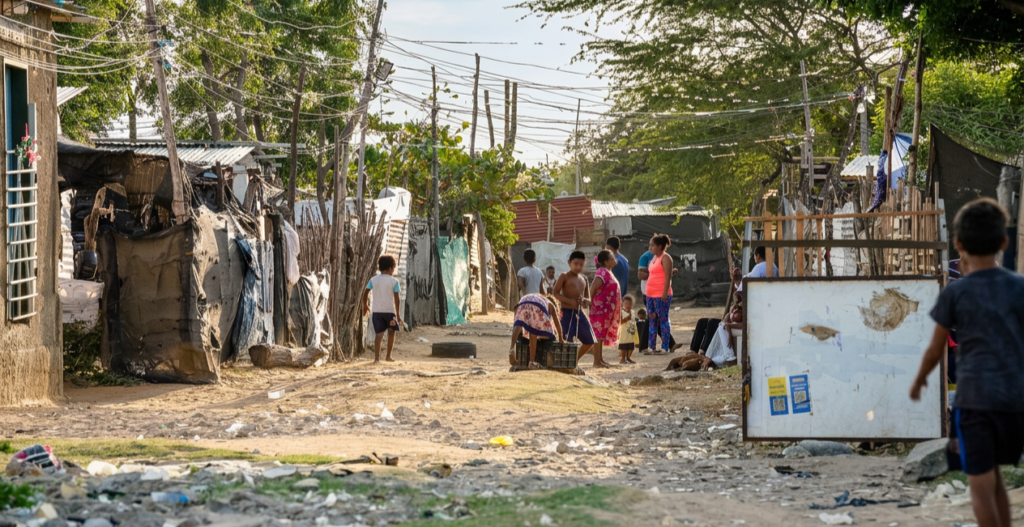
Many end up in places like La Pista, an abandoned airport runway in Maicao where over 1,200 families live in cardboard, tin, or other makeshift shelters. Most residents are Wayuu, Colombia’s largest Indigenous people, and roughly 70% of the population are children. Families struggle to survive, often earning just a few dollars on a good day. With no plumbing, they must buy water by the bucket, sacrifice meals every day, and endure flooding when it rains.

La Pista is part of a wider crisis in La Guajira, where the Wayuu have faced severe hunger and water shortages for more than a decade. Nearly 40% of the department lacks adequate nutrition, wells are dry or salty, and children continue to die from preventable hunger-related causes.

Meanwhile, international aid has collapsed. In early 2025, the United States froze and dismantled USAID, once Colombia’s largest humanitarian donor at roughly $400 million a year. Border clinics closed, NGOs cut staff, and food and health programs stopped. Local leaders told us they lost most of their life-sustaining aid overnight, with no exit plan in place.

By partnering directly with local organizations, GAPs aims to:

  • Restore access to food, clean water, and basic healthcare
  • Strengthen community-led health and education
  • Back recovery efforts that build long-term independence, not dependence
  • Document and share these stories with the world

La Guajira is just the beginning. Our model is built to scale to other crisis regions where aid is needed most.

7b2177a7 65f8 4238 a885 56b52e4e74c3
1 M+

Victims of armed conflict in Colombia

20

Total informal settlements in La Guajira alone

~ 50 %

% of children in informal settlements

$ 0 M+

Annual US aid to Colombia, cut in 2025

Partner Vetting & Accountability

We carefully vet every organization we work with to ensure transparency, compliance, and impact. Local nonprofits submit a funding proposal outlining their needs and operations, which we review for legitimacy, alignment with our mission, and compliance with U.S. regulations.

Approved partners sign a fundraising agreement allowing us to share their stories and raise funds on their behalf. Donations are pooled (unless directed to a specific project) and distributed through formal grant agreements.

We follow full IRS expenditure responsibility, meaning every dollar we send overseas is tracked and verified to ensure it’s used only for qualified charitable purposes.

Donate Now - Help Change Lives

Global Refugee Crisis. Poverty & Hunger. Economic Instability.

Your donation to Global Aid Projects will support our humanitarian project development, partner acquisition and fundraising, charitable aid purchases, and essential administrative and operating costs.